

Beat Teacher Technology Skill Regression with PD that’s Relevant, Convenient and Engaging

Spurred by pandemic-related school closures, educators adapted to different methods of instruction – like remote learning and hybrid teaching – and have gained valuable technology skills in the process.


As students begin returning to physical campuses, it’s natural that some teachers may lean towards “returning to the old ways” and stop using the new technological skills they attained. This trend can be referred to as teacher skill regression (TSR).


District leaders can prevent teacher skill regression by providing professional development opportunities that prioritize connection, convenience and culture.


Connect and personalize professional development


Seek out professional development that’s immediately relevant and valuable to educators and support staff. This means providing PD that is directly connected to each teacher’s role, skill level, and individual learning goals.


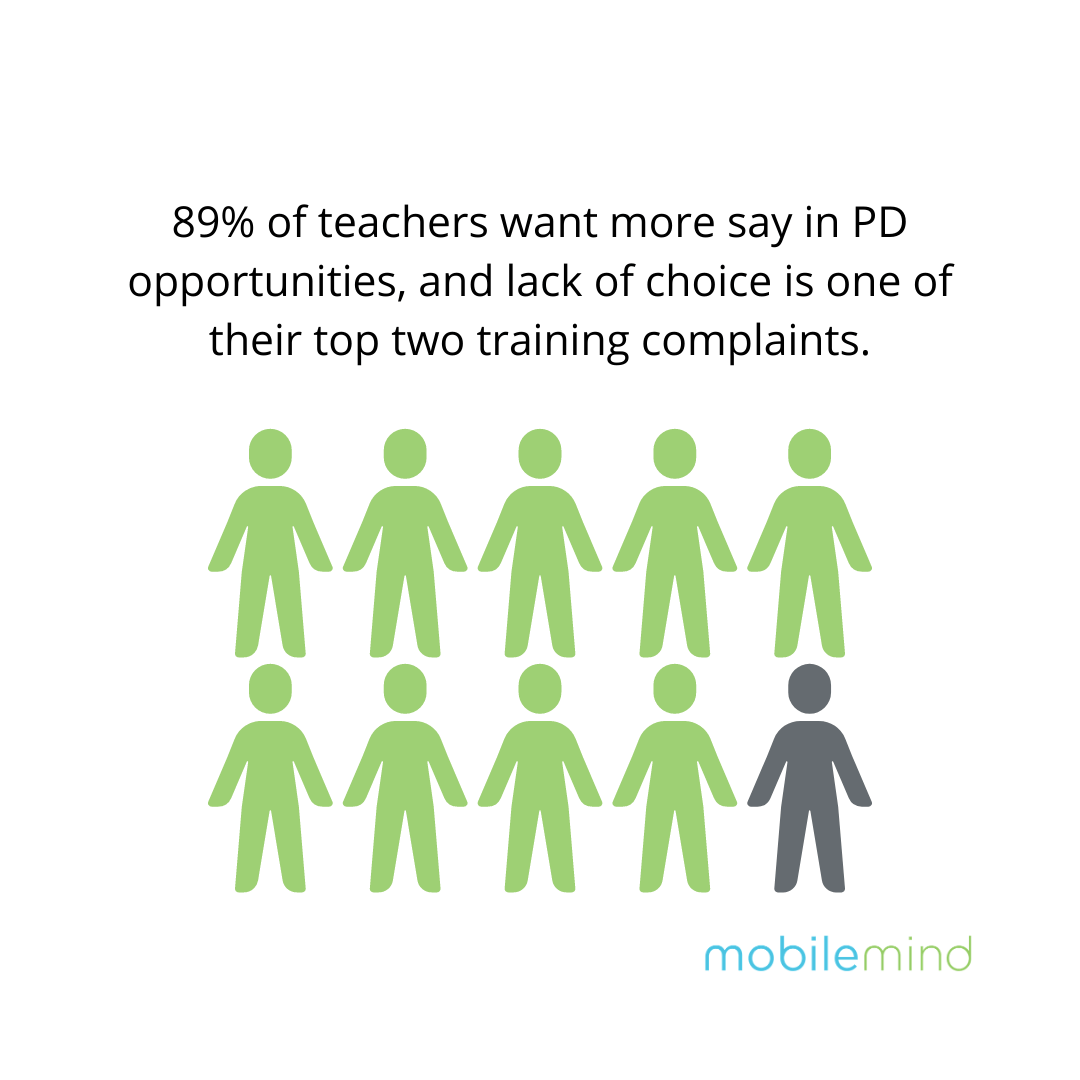
Offering voice and choice isn’t just effective for engaging students; it’s also a great strategy for connecting with teachers.
Consider the following excerpt from Future Ready Schools:


“Successful school leaders model effective professional learning by offering choice and voice when leading teachers; they also empower teachers to lead throughout the process. Teacher choice and voice are essential characteristics of a school’s professional development framework. Both are critical to promoting self-directed learning as well as a bias toward action. In a system designed to advance choice and voice, teachers enjoy and benefit from driving their own learning in response to students’ needs. “


District leaders are encouraged to empower educators by letting them voice their PD preferences and personalize their learning experience. 


Offer professional development that’s convenient


Educational models were evolving prior to the pandemic – a trend that’s only accelerating now. Teachers are facing unique challenges and might be feeling overwhelmed. It has never been more crucial to ensure access to agile, flexible professional development.


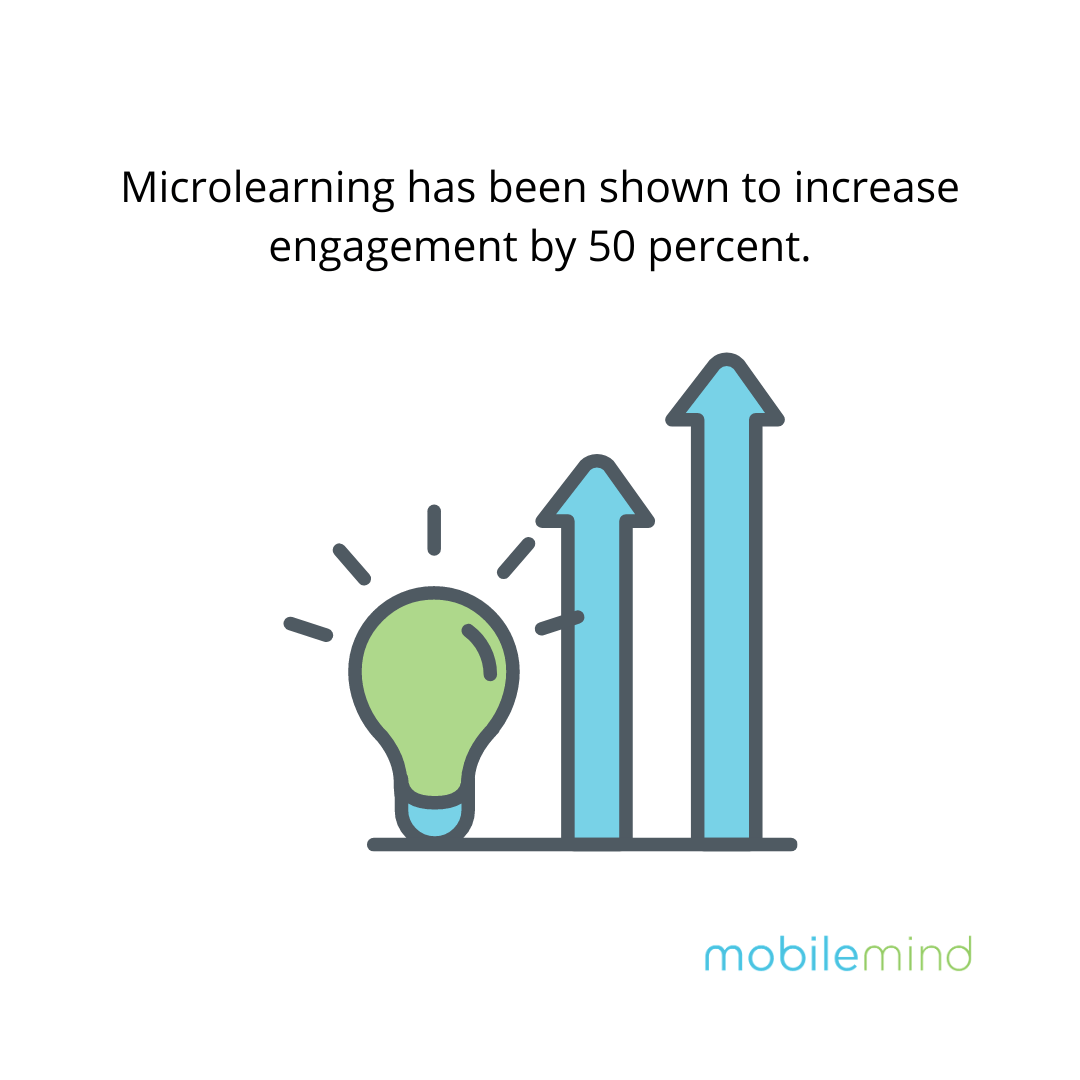
Providing on-demand, bite-sized training modules is an easy way to provide convenience to educators, given their already-packed schedules. Micro-learning and micro-credentialing opportunities are easier to fit into a teacher’s busy day, and often result in a higher rate of engagement. 
Build a culture of continuous growth


District and school leaders can build a culture of continuous growth by celebrating teachers’ progress, awarding badges and offering consistent encouragement. Many districts are reaping the benefits of gamified PD, as explained in this brief from K-12 Dive. Fun, engaging PD not only increases teacher retention, it also strengthens community.


Every MobileMind course is built to adapt to educators’ specific needs, celebrating learning and achievements along the way. We use features like human feedback, leaderboards, badging and certificates to make teacher training feel less like a chore, and more like an opportunity to grow. 


Gain (and retain) technology skills with the right PD


Educators pivoted and adapted throughout the pandemic, gaining invaluable skills along the way. Professional development that’s relevant, manageable, and practical can help new technology and instructional skills stick.


District leaders are encouraged to reinvest in their staff and take steps to avoid teacher skill regression by focusing on connection, convenience and culture. MobileMind HQ supports these “three C’s of PD” to help educators confidently infuse technology in any environment, whether remote, hybrid or in-person.

December 23, 2025
Teachers' ability to adapt to new teaching methods, technology, and student needs requires continuous growth and development. This is where teacher coaching and observations become essential—not just as stand-alone practices but as integrated components of a comprehensive professional development strategy. Today’s students are growing up in a digital world quite different from the one that their teachers knew when they were students. For the absolute beginner, the learning curve to using new EdTech can be steep. School leaders are finding that to meet the challenge, they need to update the content and delivery of their district’s professional development (PD) programs. Here is a roundup of educational technology trends that we are seeing today and how these technologies are changing how teachers need to pursue PD. Customizable Rubrics for Tailored Observations One-size-fits-all approaches to teacher observations simply don't work. Every school and district is unique, and so are their instructional needs. By integrating customizable rubrics into the observation process, administrators can easily build and tailor observation tools to meet their specific objectives. Customized rubrics provide a clear framework for consistent, meaningful observations, whether focusing on student engagement, classroom management, or technology integration. With flexibility, administrators can ensure that observations are aligned with the school's instructional goals while teachers receive relevant and actionable feedback. Customizable rubrics also make it easier to acknowledge where a teacher has exceeded expectations, offering a platform for celebrating strengths while pinpointing growth areas. Detailed Feedback: A Pathway to Improvement As the Adult Learning Theory emphasizes, feedback for adult learners should be timely, relevant, respectful of their experience, and provide actionable guidance to foster self-directed improvement and motivation. Teachers need more than a score or general comments to improve—they need detailed feedback and actionable steps. This feedback should not only highlight areas where they excel but also offer actionable suggestions for improvement. The coaching process becomes more effective when observation tools are designed with this level of detail. Teachers can reflect on specific aspects of their practice, understand how to adjust, and work with coaches to implement changes. Detailed feedback is also essential in promoting teacher agency. Teachers are empowered to take ownership of their professional growth when they receive concrete, constructive insights. This kind of feedback loop fosters a culture of continuous improvement, benefiting both educators and students alike. Data Aggregation: Driving Informed Decisions One of the most powerful advantages of integrating teacher coaching and observations with professional development is the ability to aggregate data. By collecting and analyzing observation data over time, schools can gain a holistic view of teacher performance. This information can then inform professional development opportunities, resource allocation, and teacher evaluations when appropriate. For example, data-driven insights can identify common areas where teachers across the school or district may need additional support. This enables administrators to create and facilitate targeted professional development that directly addresses these needs, leading to more effective PD sessions that directly impact classroom instruction. Furthermore, aggregated data ensures a more objective observation process, reducing bias and ensuring that decisions are based on clear evidence. MobileMind, the modern professional learning hub, includes comprehensive coaching and observation tools that align with the entire PD lifecycle . By leveraging customizable rubrics, detailed feedback, and data aggregation, we provide schools and districts with the tools they need to support their teachers effectively and objectively. Through this integrated approach, MobileMind helps administrators and educators work together to create a dynamic learning environment where teachers thrive.
December 23, 2025
Launching a new professional development program can be pivotal for school districts, impacting everything from teacher engagement to student outcomes. However, even the most innovative PD initiative will only be as successful as its buy-in from teachers. To truly inspire a culture of growth, the PD program needs to feel relevant, manageable, and rewarding to those who will benefit from it most: educators. Below are strategies for securing teacher buy-in. 1. Understand the Core Needs of Adult Learners Teachers, like all adult learners, want to know that their time and effort are being put to good use. Traditional, lecture-based PD sessions often fall short because they don’t align with the practical, self-directed nature of adult learning theory . Adults bring a wealth of prior experience, and they are most engaged when learning is relevant, practical, and can be applied directly to their work. Actionable Tips: Connect Learning to Real-World Applications: Make it clear how the PD content will help solve immediate classroom challenges. For example, if educators struggle with tech integration, provide targeted micro-courses focused on tools they can access. Offer Choice and Customization: Allow teachers to personalize their PD experience by choosing the courses or learning paths that align with their needs or interests. Giving teachers a sense of voice and choice over their learning path fosters a stronger commitment. 2. Embrace Micro-Learning to Respect Time Constraints Time is a precious commodity for teachers. Launching a program that feels like a time drain can quickly lead to resistance. Instead, consider breaking down the PD curriculum into micro-courses—short, focused lessons that fit easily into a teacher’s busy schedule. Micro-learning respects teachers’ time and helps them digest information in manageable portions, leading to better retention. Actionable Tips: Set Manageable Learning Goals: Micro-courses allow for incremental, achievable goals, which can increase teachers’ motivation and sense of accomplishment. Encourage Consistent, Bite-Sized Learning: A structure that promotes frequent, small doses of learning rather than occasional intensive sessions helps to reinforce knowledge without overwhelming educators. 3. Incorporate Gamification to Boost Engagement and Motivation Gamification— integrating game-like elements into the learning experience—can be a powerful tool to engage teachers. Progress trackers, badges, and other rewards provide a tangible sense of achievement and encourage healthy competition. Incorporating gamified elements into PD can inspire friendly challenges and celebrate teachers’ learning milestones. Actionable Tips: Reward Progress and Milestones: Implement a digital badge system to recognize teachers as they progress through their courses. A leaderboard can also motivate by celebrating those who have reached significant milestones. Promote Collaborative Challenges: Gamified challenges or group activities can create a collaborative culture around PD, allowing teachers to encourage each other’s growth and discuss what they’re learning. 4. Highlight the Immediate Benefits and Celebrate Early Wins When teachers can see the value of the new PD program right away, they’re more likely to invest in it. Highlighting quick wins, like how a single session helped a teacher engage their students or streamline lesson planning, can create a positive ripple effect across the district. Actionable Tips: Share Success Stories: Encourage early adopters to share their experiences and successes. Whether it’s a teacher using a newly learned strategy or one achieving a certification, share these wins to inspire others. Recognize and Reward Early Participants: Acknowledge the first group of participants by spotlighting them in meetings or district-wide newsletters. This reinforces a positive perception of the program and encourages others to join. 5. Leverage Peer Influence for a Stronger Commitment Teachers are often most influenced by their peers, so tapping into this social dynamic can be invaluable for PD initiatives. Consider building a “PD Champions” network within your district—educators passionate about professional growth and willing to help their peers navigate the program. When teachers see respected colleagues invested in PD, they’re more likely to follow suit. Actionable Tips: Create a Peer Coaching System: A support system of peer coaches or mentors can make PD feel more accessible and less intimidating for those hesitant to try something new. Hold Collaborative Workshops: Group settings allow teachers to learn together and share insights, creating a collaborative culture around the PD program. 6. Emphasize Flexibility to Reduce Resistance One of the biggest hurdles in PD adoption is the feeling that it adds another obligation to an already packed schedule. By making the program flexible and accessible, you’ll reduce resistance and create a more welcoming environment for learning. Actionable Tips: Allow for Self-Paced Learning: Give teachers the freedom to complete their courses at their own pace, respect their time, and make learning more accessible. Offer Multiple Access Points: Your program should be accessible across devices, with the option to complete sessions during lunch, after school, or even from home, meet teachers where they are, and reduce participation barriers. 7. Gather and Act on Feedback No one knows what teachers need from PD better than teachers themselves. Regular feedback helps you tailor the program and makes teachers feel valued and invested in its success. A successful PD program evolves based on the input of its participants, ensuring relevance and engagement. Actionable Tips: Conduct Quick Pulse Surveys: After a learning path, invite feedback. A short survey or a simple thumbs-up/thumbs-down can provide insights without adding extra work. Host Listening Sessions: Give teachers a voice in the PD program’s evolution by inviting them to share what’s working, what’s not, and what they want to see next. By designing a program that aligns with adult learning principles, respects time constraints, and incorporates gamified and flexible learning options, you’ll create an exciting experience in which teachers are excited to participate. When teachers see the value in PD, they’re more likely to integrate their new skills into their classrooms, benefiting students across the district.